

Exhibition Details
As the first exhibition devoted to Alfred Hilsberg and ZickZack ever to be mounted outside Germany, this is a part of Goethe-Institut New York's contribution to the region-wide project, Alle gegen Alles. Punk@50.
In collaboration with Lower East Side gallery Various/Artists, the exhibition will feature rare and unseen records, badges, flyers, and posters from the collection of Christian Iffland; photography and heady documentation by Sabine Schwabroh (Hilsberg’s life partner and the foremost chronicler of the Hamburg underground); and early Super-8 films of Klaus Maeck (filmmaker and founder, in 1979, of Hamburg’s first punk store, Rip Off Records).
Additional Details
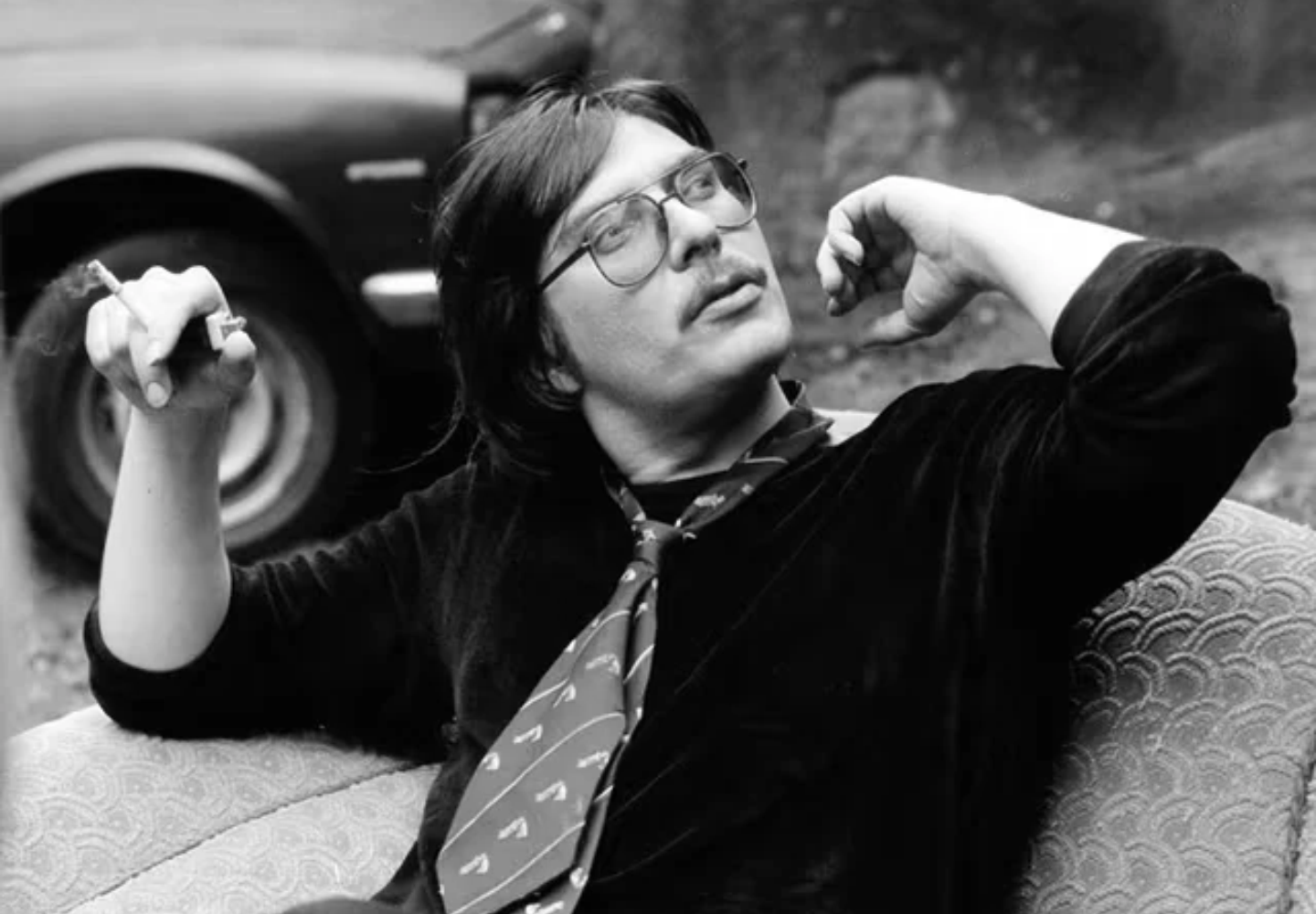
Alfred Hilsberg
He was a Hamburg-based journalist, filmmaker and concert promoter who saw punk as a form of social emancipation. In a series of articles for the best-selling music magazine Sounds, he talked of German punk as an exercise in democracy: it encouraged, a do-it-yourself attitude; incited culture from below; and produced “small daily revolutions”.
His own label, ZickZack, began in 1980 and released, in short succession and spanning post-punk, art rock, minimal synth and proto-industrial sounds, more than a hundred records. By 1982, before its sudden demise, ZickZack had become the most successful German independent label.
Location
Various/Artists
19 Essex Street
New York, NY 10002
Image: by Sabine Schwabroh / Courtesy of The Goethe-Institut New York